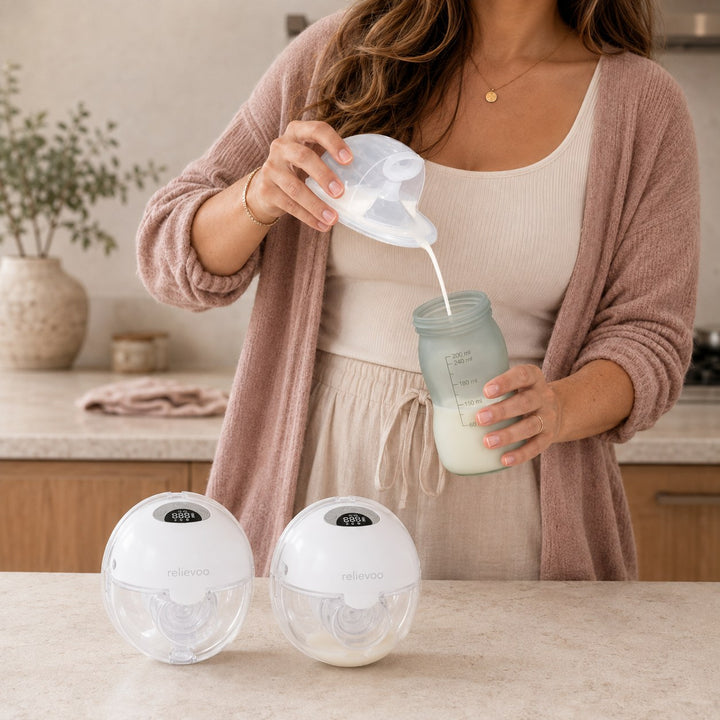
Spectra vs Wearable Breast Pump Australia: A Practical Comparison
Short answer Choosing between a Spectra-style electric pump and a wearable in-bra pump comes down to how and where you plan to express. Traditional electric pumps with tubing offer strong, customisable suction and are a reliable choice for regular, seated sessions. Wearable pumps sit inside your bra, are hands-free and quiet, and suit mums who need to move around or pump discreetly. Consider your routine, comfort and budget to decide which type fits best.
If you are weighing up a Spectra-style electric pump against a wearable breast pump in Australia, you are probably trying to work out which one will fit your daily life best. This comparison is for mums who want a clear, practical look at the main types of pumps available, without the jargon. We will walk through how each type works, what it feels like to use, and who each option suits best, so you can make a confident choice.

Understanding the main types of breast pumps
Before comparing specific brands, it helps to understand the broad categories. Most pumps on the Australian market fall into one of three groups: traditional electric pumps with tubing, wearable in-bra electric pumps, and manual pumps. Brands such as Spectra and Medela make traditional electric pumps, while companies like Elvie, Willow and Momcozy are well known for wearable in-bra designs. Philips Avent, Tommee Tippee and Lansinoh also offer a range of pumps and accessories.
Traditional electric pumps with tubing
These are the pumps most people picture when they think of expressing. A motor unit sits on a table or your lap, and tubing connects it to flanges that sit over your breasts. They tend to offer a wide range of suction levels and modes, which can be useful for mums who want fine control over their sessions. The trade-off is that you are tethered to the motor, so you generally need to sit still while pumping.
Wearable in-bra electric pumps
Wearable pumps are designed to sit discreetly inside your nursing bra. There are no tubes and no motor unit to carry, because the pump, collection cup and controls are all in one device. This means you can move around, do light tasks or even lie down while expressing. They are typically quieter than traditional pumps, which makes them popular for pumping at work, in the car (as a passenger) or overnight.
Manual pumps
Manual pumps are operated by hand, usually with a simple squeeze-and-release handle. They are inexpensive, lightweight and silent, but they require effort and are generally slower than electric pumps. They can be handy for occasional use, such as relieving engorgement or expressing a small amount when away from home.
| Feature | Details |
|---|---|
| Type | Wearable, in-bra, hands-free double electric breast pump (sold as a set of two cups) |
| Modes | 4 — Stimulation, Suction, Massage, Automatic |
| Levels | Up to 12 adjustable levels with intelligent suction & frequency adjustment |
| Controls | On-device LED display + touch buttons (mode, +, −, power), no app, no Bluetooth |
| Materials | BPA-free, food-grade PP and soft medical silicone in the milk path |
How the Spectra-style pump compares with a wearable pump
Spectra is a well-known brand of traditional electric breast pumps, popular in Australia for its reliable suction and range of settings. A Spectra pump sits on a table and uses tubing to connect to the breast shields. It is a solid, proven option for mums who plan to pump regularly and are happy to sit down for each session.
In contrast, a wearable pump such as the Relievoo M22 PRO2 offers a different experience. It is a hands-free, in-bra double pump with no tubes and no wires to the wall. You simply slip it inside your nursing bra, choose your mode with one touch, and go about your day. For mums who want to express while looking after older children, working from home or moving around the house, this freedom can make a big difference.
What about suction strength and comfort?
Traditional electric pumps are often praised for their strong, consistent suction. If you have a low supply or need to express quickly and efficiently, a Spectra-style pump may give you the control you are after. Wearable pumps have improved a lot in recent years, and many now offer multiple modes and fine levels of adjustment. The Relievoo M22 PRO2, for example, has four modes across twelve gentle levels, including a dedicated massage mode for comfort.
Comfort is personal, and what feels right for one mum may not suit another. If you are unsure, it can help to read the guidance from the Australian Breastfeeding Association on choosing and using a pump, and to talk to your child and family health nurse.
Comparing the options side by side
To help you see the differences at a glance, here is a comparison of the main pump types. The Relievoo column uses the features of the M22 PRO2 as an example of a wearable pump.
| Criterion | Traditional electric (e.g. Spectra) | Wearable in-bra (e.g. Relievoo M22 PRO2) | Manual |
|---|---|---|---|
| How it is worn | Sits on a table; tubing connects to the breast | Sits inside your bra, hands-free | Held in one hand against the breast |
| Mobility | You stay seated near the motor | Move around freely while pumping | You need one hand free to pump |
| Modes and levels | Wide range of suction levels and modes | 4 modes and up to 12 gentle levels | Suction controlled by your hand |
| Noise | Audible motor hum | Ultra-quiet, discreet in public | Silent |
| Cleaning | Multiple parts: flanges, bottles, tubing | Fewer parts; clear collector cups | Few parts, easy to rinse |
| Best for | Regular, seated sessions at home | Busy mums who need hands-free convenience | Occasional use or travel |
Why choose a wearable breast pump in Australia?
Wearable pumps have become increasingly popular in Australia, and it is easy to see why. The ability to express without being tied to a wall socket changes where and when you can pump. Many mums find they can express while their baby naps beside them, during a work meeting (with the camera off), or while preparing dinner.
The Relievoo M22 PRO2 is designed with these moments in mind. It is quiet enough to wear on a work call or beside your baby's cot at night, and the clear collector cups let you see your milk as it flows. There is no app to pair and no phone to fiddle with, so everything is controlled on the device itself.
How does a breast pump work?
A breast pump uses suction to draw milk from your breast, mimicking the rhythm of a baby suckling. Most electric pumps have a stimulation phase, which uses a light, quick rhythm to encourage your let-down, followed by a deeper, slower suction phase to express milk. Some pumps, like the Relievoo M22 PRO2, also include a massage mode to help with engorgement and discomfort, and an automatic mode that moves between stimulation and suction for you.
Should breast pumping hurt?
Pumping should not hurt. If you feel pain or discomfort, the flange may not be the right size, or the suction may be set too high. It is usually best to start on a low level and increase gradually until you find what feels comfortable. The Australian Breastfeeding Association has practical information on flange fit and comfortable pumping. If pain continues, talk to your midwife, child and family health nurse or GP.
Who should choose a traditional electric pump?
A Spectra-style pump is a dependable choice if you plan to pump regularly and are happy to sit down for each session. It is also a good option if you want a wide range of suction settings and do not mind cleaning tubing and multiple parts. Many mums find that a traditional pump gives them a strong, reliable let-down, which can be reassuring in the early weeks.
If you are mostly pumping at home, have a dedicated space to set up, and do not need to move around, a traditional electric pump may be all you need. It is also worth considering if you have tried a wearable pump and found the suction not strong enough for your needs.

Who should choose a wearable pump?
A wearable in-bra pump suits mums who value freedom and discretion. If you are returning to work, caring for a toddler while feeding a newborn, or simply do not want to be stuck in one spot, a wearable pump can make expressing feel far less disruptive. It is also a good choice for night pumping, because the quiet motor is less likely to wake a sleeping baby.
Wearable pumps are also a practical option for mums who pump occasionally, such as when they are out for the day or want to build a small freezer stash. The Relievoo breast pump collection includes a range of wearable options, so you can compare features and find one that suits your routine.
What about the flange fit?
Getting the flange size right is one of the most important things for comfortable pumping. A flange that is too small can cause pain and reduce output, while one that is too large may not create a good seal. Most pumps come with a standard flange, but you can often buy different sizes separately. The Raising Children Network has practical advice on breastfeeding and expressing that can help you get the basics right.
Verdict: which pump should you choose?
There is no single best pump for everyone. The right choice depends on your lifestyle, your comfort and how often you plan to express. Here is a clear summary of who each option suits.
- Choose a traditional electric pump (like Spectra) if: you want strong, customisable suction, are happy to sit down for sessions, and do not mind cleaning tubing and multiple parts.
- Choose a wearable in-bra pump (like the Relievoo M22 PRO2) if: you want hands-free convenience, need to move around while pumping, or value quiet, discreet expression at work or overnight.
- Choose a manual pump if: you only pump occasionally, want a lightweight option for travel, or need a backup for emergencies.
- Choose a wearable pump if you are returning to work: the freedom to pump at your desk or in a meeting room without a visible motor unit can make a big difference to your day.
- Choose a traditional pump if you have a low supply: the strong, consistent suction may help you express more effectively, though it is worth discussing your options with a lactation consultant or the Australian Breastfeeding Association.
Final thoughts
Both traditional electric pumps and wearable in-bra pumps have their place, and many mums end up using both at different stages. A traditional pump can be a reliable workhorse at home, while a wearable pump offers freedom when you are out and about. Think about where you will pump most often, how much you value mobility, and what feels comfortable for your body. If you are still unsure, the Pregnancy, Birth and Baby website and the Australian Breastfeeding Association offer reliable, practical guidance to help you decide.
Whatever you choose, the goal is the same: to make expressing as comfortable and convenient as possible for you and your baby.
Frequently asked questions
How does a breast pump work?
A breast pump uses gentle suction to draw milk from the breast, mimicking the rhythm of a baby suckling. Most pumps have a stimulation phase to encourage let-down, followed by a deeper suction phase to express milk. Wearable pumps do this inside your bra, while traditional electric pumps use tubing connected to a separate motor unit.
What breast pump should I get?
Think about where and how often you will pump. If you want to move around, work or care for your baby while expressing, a wearable in-bra pump is convenient. If you prefer a strong, customisable suction and don't mind being seated near a motor unit, a traditional electric pump with tubing may suit you better.
Why is my breast pump not working?
Check that the flange fits well and that all parts are assembled correctly and clean. A poor seal or a loose connection can reduce suction. If you are still having trouble, it may help to talk to your midwife, child and family health nurse, or the Australian Breastfeeding Association helpline for practical advice.
Should breast pumping hurt?
Pumping should not hurt. If you feel pain, the flange size may be wrong or the suction level may be too high. Starting on a lower level and gradually increasing can help. The Australian Breastfeeding Association offers guidance on comfortable pumping and flange fit.
How long should a breast pump session be?
There is no single answer that suits everyone. The length of a session depends on your supply, your baby's age and your own comfort. Follow the current advice from a trusted source such as the Australian Breastfeeding Association or your child and family health nurse, and stop when your breasts feel comfortable.